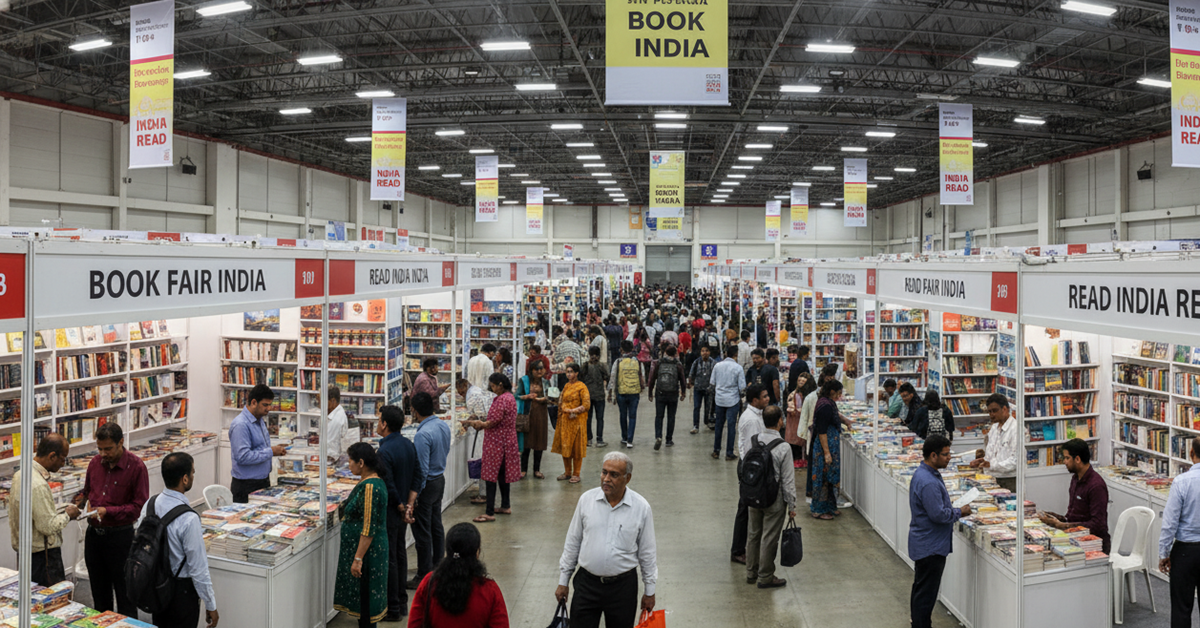
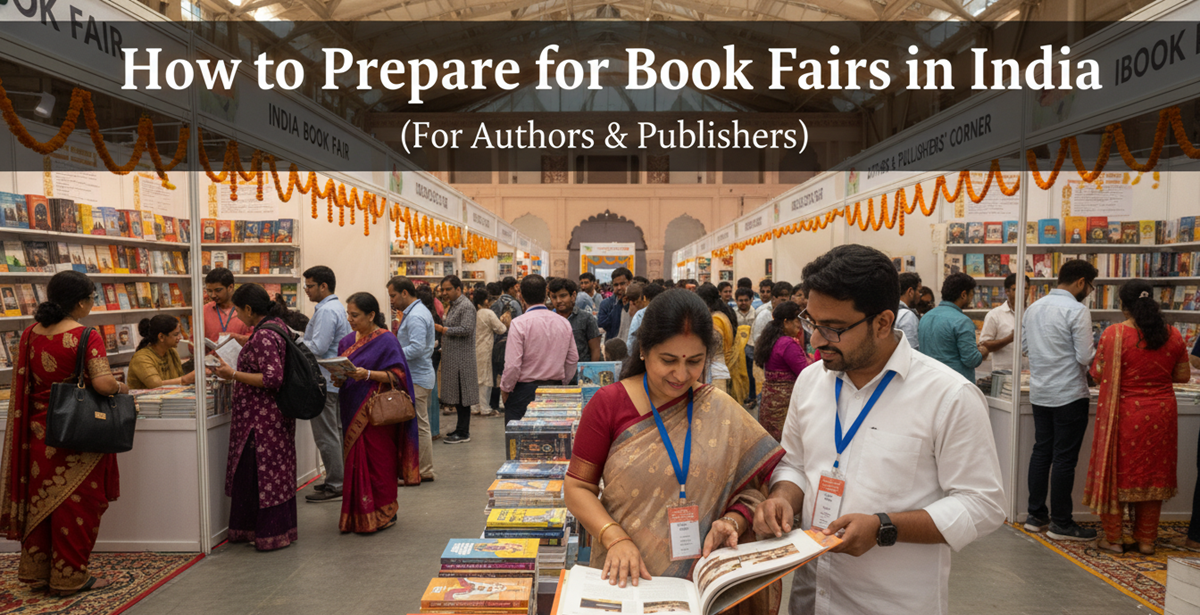
Book fairs in India represent golden opportunities for authors and publishers to connect with readers, network with industry professionals, and boost sales. From the prestigious New Delhi World Book Fair to regional events across the country, these gatherings draw millions of book enthusiasts annually. However, success at these events doesn't happen by chance, it requires meticulous planning and strategic execution.
Understanding the Indian Book Fair Landscape
India hosts some of the world's largest and most vibrant book fairs. The New Delhi World Book Fair attracts over a million visitors, while the Kolkata Book Fair sees similar footfall. Other significant events include the Chennai Book Fair, Pune International Book Fair, and numerous state-level exhibitions.
Each fair has its unique character. Delhi's event tends to be more international and professional, while Kolkata's fair has a deeply cultural, reader-focused atmosphere. Understanding these nuances helps you tailor your approach effectively.
Pre-Fair Planning: The Foundation of Success
Set Clear Objectives
Before committing resources, define what you want to achieve. Are you launching a new title? Building author visibility? Networking with distributors? Your goals will shape every decision from booth design to marketing materials.
Publishers should coordinate with their sales teams to set realistic targets. Authors, especially independent ones, might focus on building reader connections and gathering feedback rather than purely sales metrics.
Booth Selection and Design
Your booth location can make or break your fair experience. Prime spots near entrances or central pathways cost more but deliver significantly higher foot traffic. For first-timers with limited budgets, areas near popular pavilions or food courts can offer good visibility at lower costs.
Design your booth to stand out without overwhelming visitors. Use clear signage with your publishing house name or author brand prominently displayed. Incorporate eye-catching visuals, book covers blown up as posters work exceptionally well. Ensure adequate lighting, as many fair venues have inconsistent illumination.
Create distinct zones within your booth: a display area for books, a seating space for author interactions, and a transaction counter. Keep pathways clear to avoid congestion during peak hours.
Inventory Management
Stock management requires careful calculation. Analyze previous fair data if available, or consult with organizers about expected footfall. Bring a diverse selection rather than excessive copies of single titles, variety attracts different reader segments.
For publishers, ensure you have a mix of bestsellers, new releases, and backlist titles. Authors should bring sufficient copies of all their published works, including older titles that readers might want to complete their collections.
Implement a real-time inventory tracking system, even if it's a simple spreadsheet updated hourly. This prevents stockouts of popular titles and helps you make informed decisions about restocking during multi-day events.
Marketing and Promotion Strategies
Pre-Fair Buzz Creation
Start promoting your participation at least six weeks before the event. Leverage social media platforms with countdowns, sneak peeks of what you'll showcase, and special fair-only offers. Create event-specific hashtags and encourage followers to share them.
For authors, schedule interviews with literary blogs, local newspapers, and radio stations. Publishers can send press releases announcing major launches or author appearances at their booths.
Email marketing remains highly effective. Send targeted communications to your existing reader base, bookstore owners, and media contacts informing them of your booth number and any special events you're hosting.
Attractive Fair Offers
Price your books competitively. Most visitors expect book fair discounts, typically ranging from ten to thirty percent. Bundle deals, "buy three, get one free" or genre-specific collections encourage higher spending per customer.
Consider creating fair-exclusive merchandise. Bookmarks, tote bags with literary quotes, or limited edition signed copies create urgency and enhance perceived value.
Author Engagement Activities
Schedule specific times for author meet-and-greets, book signings, or reading sessions. Promote these timings prominently both online and at your booth. Interactive sessions like writing workshops or panel discussions draw crowds and position you as a thought leader.
For publishers bringing multiple authors, create a schedule that ensures continuous engagement throughout fair hours without overwhelming individual authors.
On-Ground Execution
Professional Presentation
First impressions matter immensely. Ensure your booth staff is well-groomed, knowledgeable about all titles, and trained in customer engagement. They should be able to provide quick summaries, recommend books based on reader preferences, and handle transactions efficiently.
Authors should prepare brief, engaging pitches about their books. Practice delivering your book's essence in thirty seconds, fair visitors have limited attention spans amid numerous attractions.
Display books with covers facing outward whenever possible. Create thematic arrangements, romance novels together, children's books at child height, regional language books in dedicated sections.
Networking Opportunities
Book fairs aren't just about selling to readers. They're invaluable for professional networking. Dedicate time to visit other publishers' booths, introduce yourself to distributors, and connect with literary agents and media representatives.
Carry plenty of business cards and promotional materials. Exchange contact information with other industry professionals and follow up after the fair to convert these connections into meaningful relationships.
Attend seminars and panel discussions organized during the fair. These sessions offer insights into industry trends and provide excellent networking venues during breaks.
Managing Peak Hours
Indian book fairs experience extreme rush during weekends and evenings. Prepare for crowd management by having additional staff during these periods. Set up a queuing system for book signings to maintain order.
Keep high-demand titles easily accessible to speed up transactions. Consider implementing digital payment options—UPI, card readers—as many visitors prefer cashless transactions.
During slower periods like weekday mornings, use the time to reorganize your display, restock inventory, and engage in deeper conversations with serious buyers and industry professionals.
Technology Integration
Digital Presence at Physical Events
Set up a dedicated photo booth area with your branding where visitors can take pictures. Create a fair-specific Instagram or Facebook frame. Encourage social media sharing by running contests—best booth photo wins a book bundle.
Use QR codes linking to your website, online store, or newsletter signup page. This bridges offline engagement with online community building.
If budget permits, display tablets or screens showing book trailers, author interviews, or reader testimonials. Dynamic content attracts attention in crowded environments.
Lead Capture Systems
Don't let visitor interactions end at the fair. Collect contact information through newsletter signups, contest entries, or digital guestbooks. Ensure you're compliant with data privacy regulations and clearly communicate how you'll use the information.
Follow up within a week after the fair with personalized emails thanking visitors, offering post-fair discounts, or sharing links to titles they showed interest in.
Regional and Language Considerations
India's linguistic diversity offers opportunities and challenges. If you publish in multiple languages, organize your booth to clearly demarcate different language sections. Have staff who can converse in regional languages, particularly for fairs in non-metropolitan areas.
Regional fairs often have different audience expectations than metros. In smaller cities, educational and self-help books might outsell literary fiction. Research local preferences and adjust your inventory accordingly.
Price points also vary by region. What's considered affordable in Delhi might be expensive in tier-two cities. Adjust your pricing strategy based on local economic conditions while maintaining reasonable margins.
Post-Fair Activities
Sales Analysis and Feedback Collection
Within days of the fair's conclusion, conduct a thorough analysis. Which titles sold best? What time slots saw maximum traffic? Which promotional strategies worked? Document everything while the experience is fresh.
Gather feedback from your booth staff and any authors who participated. Their ground-level observations often reveal insights that numbers don't capture.
Relationship Nurturing
Send thank-you emails to everyone who visited your booth, distributed books for review, or expressed interest in collaboration. Share fair highlights through blog posts or social media, tagging people you met and creating a sense of community.
For wholesale inquiries received during the fair, follow up promptly with formal quotes and terms. Speed matters in converting interest into confirmed orders.
Long-Term Strategy Refinement
Use fair learnings to refine your overall marketing strategy. Did a particular genre unexpectedly resonate with readers? Were visitors asking for formats you don't currently offer? Let real-world feedback guide your publishing decisions.
Start planning for the next fair immediately. Early bird booth bookings often come with significant discounts, and the best locations get reserved months in advance.
Budget Management
Book fairs require substantial investment. Typical costs include booth rental, design and setup, inventory transportation, staff accommodation, promotional materials, and marketing expenses.
Create a detailed budget allocating resources across all these categories. First-time participants should expect to break even rather than profit, viewing the fair as a brand-building investment.
Look for cost-sharing opportunities. Multiple independent authors can collaborate on a shared booth, splitting expenses while presenting a more professional front. Publishers can partner with complementary businesses—bookstores, literary magazines—for mutual benefit.
Common Pitfalls to Avoid
Many participants underestimate the physical demands of book fairs. Standing for eight to ten hours daily across multiple days is exhausting. Ensure adequate rest, hydration, and meal breaks for everyone involved.
Avoid aggressive sales tactics that alienate potential readers. Indian book fair audiences appreciate enthusiastic recommendations but respond poorly to high-pressure selling. Build connections, not just transactions.
Don't neglect your online presence during the fair. Visitors often search for you online before or after visiting your booth. Ensure your website is updated with fair-specific information and that you're responsive to social media messages.
Underpricing can be as problematic as overpricing. While discounts are expected, devaluing your books too heavily can harm your brand's perceived quality and make post-fair sales at regular prices difficult.
Measuring Success Beyond Sales
While revenue matters, it's not the only success metric. New partnerships with distributors, media coverage secured, email list growth, and social media engagement all contribute to long-term success.
Track qualitative outcomes like reader feedback on forthcoming titles, industry insights gained from conversations, and learning from observing competitors' strategies.
For authors, building name recognition and connecting with readers who might become lifelong fans often yields returns far exceeding immediate sales figures.
Conclusion
Book fairs in India offer unparalleled opportunities for authors and publishers willing to invest time, resources, and creativity. Success requires understanding your audience, meticulous planning, professional execution, and consistent follow-up.
Whether you're a debut author with a single title or an established publisher with an extensive catalog, these events can significantly accelerate your literary journey. The key lies in approaching fairs strategically—not as isolated sales events but as integral components of your broader marketing and community-building efforts.
Start preparing early, stay adaptable during the event, and leverage the connections and insights gained long after the fair ends. With the right approach, book fairs can transform from intimidating challenges into cornerstone opportunities for growth in India's dynamic publishing landscape.