Understanding Book Formats: The Essential Difference
When standing in a bookstore or browsing online, readers face a common dilemma: should you purchase the paperback or hardcover edition? This decision affects your wallet, reading experience, and how long your book will last on your shelf.
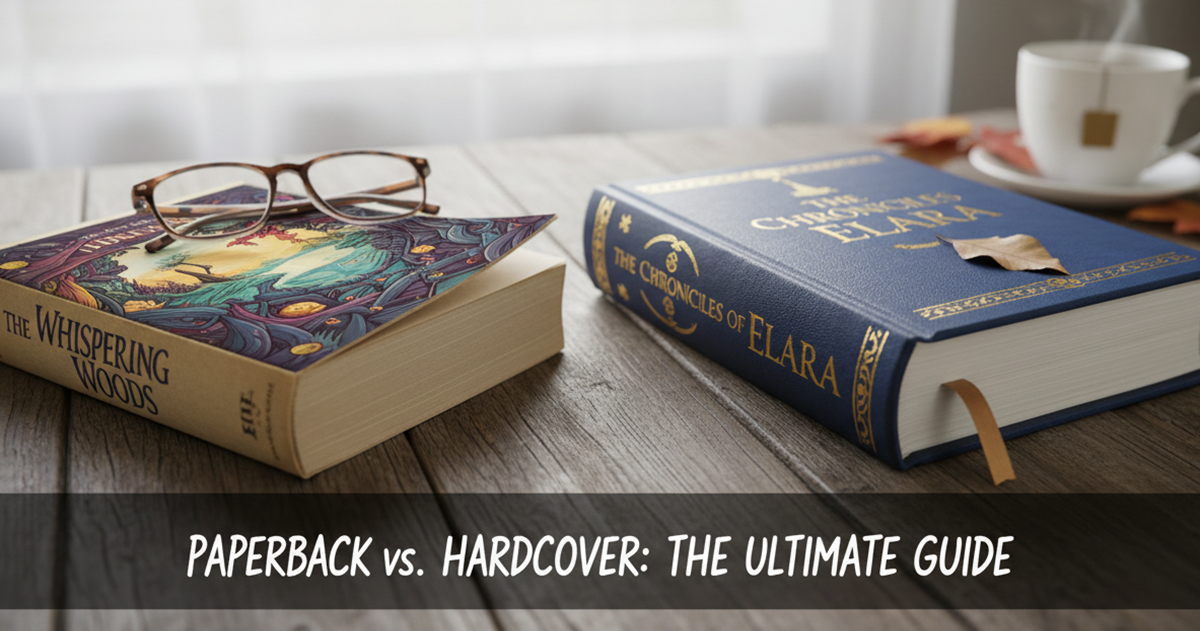
The fundamental difference lies in the cover material and binding quality. Hardcover books feature rigid cardboard covers wrapped in decorative paper or cloth, while paperbacks use flexible, thick paper covers. This structural distinction creates a cascade of differences in price, durability, weight, and overall reading experience.
What Makes Hardcover Books Special?
Hardcover editions, also called hardback or case-bound books, represent the premium format in publishing. Publishers typically release hardcovers first, treating them as the flagship version of new releases.
Construction and Quality
The hardcover binding process involves sewing or gluing individual pages into sections called signatures. These signatures attach to a sturdy spine, which connects to rigid cardboard boards covered in decorative material. Many hardcovers include a dust jacket—that removable paper cover with book information and artwork.
This construction method creates a book designed to withstand decades of use. The rigid spine prevents pages from loosening over time, and the protective covers shield interior pages from damage.
Advantages of Hardcover Books
Exceptional Durability: Hardcovers can last generations when properly cared for. Libraries prefer hardcovers precisely because they endure repeated borrowing without falling apart.
Superior Reading Experience: The sturdy construction makes hardcovers easier to read one-handed. They lie flat when opened, eliminating the need to hold pages down.
Collectible Value: First edition hardcovers often appreciate in value, especially for popular authors. Book collectors prioritize hardcover editions for their longevity and aesthetic appeal.
Premium Presentation: Hardcovers make impressive gifts and look elegant on bookshelves. The dust jacket artwork often features higher quality printing than paperback covers.
Better Paper Quality: Publishers frequently use acid-free, higher-grade paper in hardcovers, reducing yellowing and deterioration over time.
Disadvantages of Hardcover Books
Higher Cost: Hardcovers typically cost two to three times more than paperback editions. New releases often retail between $25-35 for hardcover versus $10-18 for paperback.
Weight and Bulk: The rigid covers and quality binding make hardcovers significantly heavier. This becomes noticeable during extended reading sessions or when traveling.
Storage Challenges: Hardcovers occupy more shelf space than paperbacks. For readers with limited storage, this becomes a practical concern.
Less Portable: Carrying a hardcover in a bag or purse proves cumbersome. Commuters and travelers often find hardcovers impractical for on-the-go reading.
The Paperback Advantage
Paperback books revolutionized publishing by making literature affordable and accessible. This format dominates the market for good reason—it balances cost, convenience, and functionality.
Types of Paperbacks
Trade Paperbacks: These larger paperbacks feature better paper quality and more durable binding. They typically measure similar in size to hardcovers but with flexible covers.
Mass Market Paperbacks: Smaller, more compact editions designed for mass distribution. You'll find these at airports, grocery stores, and drugstores. They use thinner paper and cheaper materials to minimize production costs.
Benefits of Paperback Books
Affordability: The most compelling advantage. Paperbacks cost significantly less, allowing readers to purchase more books with the same budget.
Lightweight Portability: Perfect for commuting, traveling, or reading in bed. A paperback slips easily into bags, backpacks, or even large pockets.
Space Efficiency: Paperbacks require less shelf space, crucial for apartment dwellers or anyone with limited storage.
Availability: Most titles remain in print longer as paperbacks. Older books often exist only in paperback format after hardcover editions go out of print.
Reading Flexibility: The flexible cover allows you to fold the book slightly, making one-handed reading possible in various positions.
Lower Risk: Feel less anxious about lending paperbacks or reading them in less-than-ideal conditions like at the beach or poolside.
Drawbacks of Paperback Books
Limited Lifespan: Paperbacks deteriorate faster than hardcovers. Spines crack, covers bend, and pages loosen with repeated reading.
Prone to Damage: Water, heat, and pressure damage paperbacks more easily. A rainstorm or spilled coffee can ruin a paperback completely.
Challenging Reading Position: Paperbacks don't stay open naturally. Readers must hold pages down or break the spine to keep the book flat.
Lower Resale Value: Used paperbacks fetch minimal resale prices unless they're rare or collectible editions.
Publication Delay: New releases often appear in hardcover months or even a year before the paperback version becomes available.
Price Comparison: The Bottom Line
Budget considerations often determine format choice. A new hardcover novel typically costs $26-32, while the paperback version costs $12-18. Over time, these differences compound significantly for avid readers.
However, savvy shoppers find ways to reduce hardcover costs. Remainder bookstores, warehouse sales, and online retailers frequently discount hardcovers below paperback retail prices. Library book sales offer hardcovers for just a few dollars.
Some readers adopt a hybrid approach: purchasing hardcovers for favorite authors or anticipated rereads while choosing paperbacks for casual reading or trying new authors.
Durability and Longevity Considerations
For books you'll treasure forever, hardcovers justify the investment. Family heirlooms, signed editions, and beloved classics deserve the protection hardcover binding provides.
Paperbacks suit books you'll read once or lend frequently. They're ideal for book club selections, beach reads, or trying unfamiliar genres without significant financial commitment.
Climate and storage conditions affect both formats. High humidity damages paperbacks faster, causing pages to wrinkle and covers to warp. Extreme temperatures and sunlight fade covers and deteriorate paper in both formats, though paperbacks suffer more quickly.
Reading Experience: Which Feels Better?
Personal preference heavily influences reading experience. Some readers love the substantial feel of a hardcover—its weight provides a sense of quality and progress as you work through pages. The ability to rest the book on a table or lap without holding it open appeals to many readers.
Others prefer paperbacks for their flexibility and lighter weight. Extended reading sessions become more comfortable when you're not supporting several pounds of hardcover. Paperbacks work better for reading while lying down or in various positions.
Font size and page layout sometimes differ between formats. Hardcovers occasionally use larger fonts with more generous margins, improving readability. However, modern trade paperbacks often match hardcover layouts exactly.
Environmental and Sustainability Factors
Environmentally conscious readers might consider the ecological impact of book production. Hardcovers require more raw materials—additional cardboard, binding materials, and often higher-quality paper. This increased material use translates to a larger environmental footprint.
However, hardcovers' longevity means fewer replacements over time. A single hardcover lasting fifty years creates less waste than buying the same title three times in paperback as previous copies deteriorate.
Paperback production uses fewer resources initially but may contribute more to landfills if books aren't properly recycled or donated. The best environmental choice involves buying books you'll keep and treasure, regardless of format, and passing them along when finished.
Making Your Decision: Which Format Is Right?
Choose hardcover if you:
Want books that last decades or become family heirlooms
Collect books or value first editions
Don't mind paying premium prices for superior quality
Primarily read at home rather than while traveling
Appreciate the aesthetic appeal of hardcovers on your bookshelf
Plan to reread books multiple times
Choose paperback if you:
Want to maximize your book budget
Read while commuting or traveling frequently
Have limited storage space
Prefer lightweight, portable reading options
Read books once without planning to keep them forever
Don't mind waiting for paperback releases of new titles
Special Considerations for Collectors
Book collectors face different considerations than casual readers. First edition hardcovers, particularly with intact dust jackets, hold significantly more value than any paperback edition. Signed hardcovers command premium prices in the collector's market.
Condition matters enormously for collectible books. A pristine hardcover first edition can be worth hundreds or thousands of dollars, while the same title in paperback might sell for under ten dollars regardless of condition.
Modern collectible editions often feature special bindings, illustrated plates, or premium materials that justify their higher cost. These editions cater specifically to collectors and those who view books as art objects beyond their textual content.
Digital Alternatives: The Third Option
While not technically paperback or hardcover, ebooks and audiobooks offer another consideration. Digital formats provide ultimate portability without physical storage requirements. However, they lack the tangible appeal many readers cherish.
Some readers maintain hybrid libraries—buying hardcovers for favorites, paperbacks for casual reading, and digital editions for travel. This approach maximizes the advantages of each format while minimizing their respective drawbacks.
Conclusion: There's No Wrong Choice
The paperback versus hardcover debate ultimately comes down to personal priorities. Both formats serve important roles in the reading ecosystem. Hardcovers preserve important works for future generations while paperbacks democratize access to literature.
Consider your specific needs: your budget, storage capacity, reading habits, and how long you plan to keep each book. Many readers find that different books call for different formats. Your most anticipated release might deserve hardcover treatment, while a vacation read fits perfectly in paperback.
The most important decision isn't paperback versus hardcover—it's choosing to read in the first place. Whether you crack open a pristine hardcover or settle in with a well-worn paperback, you're participating in one of humanity's most enduring pleasures. Choose the format that brings you joy and keeps you turning pages.