
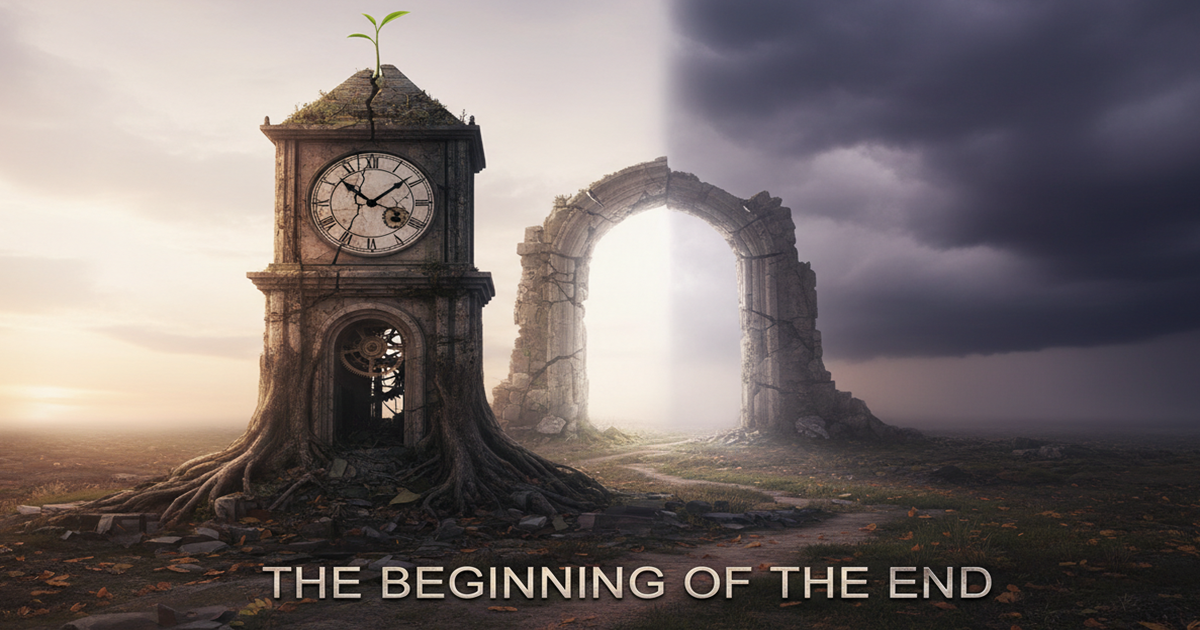
What Does "The Beginning of the End" Mean?
The phrase "the beginning of the end" describes the critical point when something starts its inevitable decline toward failure, completion, or termination. This idiom captures that pivotal moment when circumstances shift from stability to gradual deterioration, marking the transition from sustainability to inevitable conclusion.
When someone identifies an event as the beginning of the end, they recognize it as the catalyst that sets in motion a series of consequences leading to an ultimate endpoint. This turning point may appear insignificant initially, but its impact reverberates through subsequent events, creating an unstoppable momentum toward conclusion.
Historical Origins of the Phrase
The Napoleonic Connection
The modern usage of this expression traces back to a significant historical moment during the Napoleonic Wars. After Napoleon's devastating defeat at the Battle of Leipzig in 1813, French diplomat Charles Maurice de Talleyrand reportedly told the emperor, "C'est le commencement de la fin" (This is the beginning of the end). This statement proved prophetic as Napoleon's empire crumbled within the following years.
Earlier Literary References
While Talleyrand popularized the phrase, earlier writers explored similar concepts. William Shakespeare referenced comparable ideas in "A Midsummer Night's Dream," though with different connotations. The play "The Virgin Martyr" by Philip Massinger and Thomas Dekker featured the line "I see the beginning of my end" in the early seventeenth century, specifically referring to approaching death.
Churchill's Famous Variation
Winston Churchill immortalized a clever reversal of this phrase during World War II. Following the Allied victory at El Alamein in November 1942, he declared: "Now this is not the end. It is not even the beginning of the end. But it is, perhaps, the end of the beginning." This wordplay acknowledged progress while tempering premature optimism about the war's conclusion.
How to Use "The Beginning of the End" in Context
Relationship Breakdown
Personal relationships often experience defining moments that signal their decline. When trust fractures or core values diverge, couples may later identify these incidents as the beginning of the end. For example: "When he stopped communicating about important decisions, it marked the beginning of the end for their marriage."
Business and Career Situations
Organizations face critical junctures where competitive advantages erode or market conditions shift unfavorably. Company executives might recognize: "The failure to adapt to digital transformation was the beginning of the end for many traditional retailers." Similarly, career trajectories change when professionals ignore industry evolution or workplace culture deteriorates.
Historical Events
Historians frequently apply this phrase when analyzing pivotal moments that predetermined larger outcomes. The phrase helps identify causation chains in complex historical narratives, such as: "The Treaty of Versailles arguably represented the beginning of the end of lasting European peace, setting conditions for future conflict."
Cultural and Technological Shifts
Society undergoes transformations where old systems gradually yield to new paradigms. Technology enthusiasts debate whether specific innovations mark the beginning of the end for established industries. Examples include streaming services' impact on cable television or smartphones' effect on traditional cameras.
The Psychology Behind Recognizing Turning Points
Hindsight Clarity
People typically identify the beginning of the end retrospectively rather than in real-time. This hindsight bias allows observers to connect dots between initial triggers and eventual outcomes that weren't obvious during the original moment. The human tendency to construct narrative arcs from complex events makes this phrase particularly resonant.
Pattern Recognition
Experienced individuals in any field develop intuition for recognizing early warning signs. Business leaders, relationship counselors, and political analysts train themselves to spot indicators that signal impending decline. This expertise comes from observing repeated patterns across multiple scenarios and understanding how small changes cascade into larger transformations.
Emotional Significance
The phrase carries emotional weight because it acknowledges both awareness and powerlessness. Recognizing the beginning of the end implies understanding that events have crossed a threshold where reversal becomes extremely difficult or impossible. This recognition often triggers grief, acceptance, or motivated action to mitigate consequences.
Common Misconceptions About the Phrase
Not Always Negative
While typically associated with decline and failure, the beginning of the end can describe neutral or even positive transitions. An outdated practice ending makes room for improvement. A difficult project nearing completion brings relief. Context determines whether the connotation carries negative, positive, or neutral implications.
Different from "Point of No Return"
The beginning of the end differs from the point of no return. The latter suggests the final moment when reversal becomes impossible, while the former marks the initiation of a gradual process. The beginning of the end represents early deterioration, whereas the point of no return indicates committed trajectory.
Gradual vs. Immediate
This idiom specifically describes gradual decline rather than sudden catastrophe. Immediate endings lack the progressive deterioration that characterizes the beginning of the end. The phrase's power lies in describing that extended period where decline becomes visible yet continues inexorably.
Similar Expressions and Alternatives
Several related phrases convey comparable meanings with subtle distinctions:
Writing on the Wall - Suggests clear warning signs of impending disaster or change, referencing the biblical story of Belshazzar's feast.
Slippery Slope - Describes a situation where one action leads inevitably to a series of negative consequences.
Death Knell - Refers to an event that signals the end of something, like a bell tolling for death.
Swan Song - Represents a final performance, effort, or accomplishment before retirement or conclusion.
Tipping Point - Identifies the critical threshold where small changes create massive effects.
Recognizing the Beginning of the End in Your Life
Professional Warning Signs
Career decline often announces itself through specific indicators: decreased enthusiasm for work, recurring conflicts with leadership, stagnation in skill development, or misalignment between personal values and organizational culture. Recognizing these signs enables proactive response rather than reactive crisis management.
Relationship Red Flags
Partnerships deteriorate through patterns like communication breakdown, loss of shared goals, persistent unresolved conflicts, or emotional disconnection. Identifying these markers early creates opportunities for intervention through counseling, honest dialogue, or graceful separation.
Health and Lifestyle Indicators
Physical and mental wellbeing shows decline through warning signs that shouldn't be ignored. Chronic stress, poor sleep patterns, declining fitness, or persistent unhappiness often mark the beginning of the end for healthy lifestyle maintenance.
Moving Forward After Recognizing Decline
Acceptance and Planning
Acknowledging the beginning of the end requires emotional maturity and practical wisdom. Once recognized, individuals can choose between attempting reversal, managing transition, or preparing for what comes next. Strategic planning minimizes damage and creates opportunities within inevitable change.
Learning from Experience
Every ending teaches valuable lessons about recognition, response, and resilience. Analyzing what led to the beginning of the end improves future decision-making and pattern recognition. This learning cycle builds wisdom through experience.
Finding New Beginnings
The conclusion of one chapter enables the start of another. While the beginning of the end sounds pessimistic, it simultaneously represents space for renewal, growth, and fresh opportunities. Endings clear pathways for transformation that wouldn't exist otherwise.
Conclusion: The Power of Recognition
Understanding "the beginning of the end" as both idiom and concept provides valuable perspective on change, transition, and transformation. This phrase captures the bittersweet nature of recognizing decline while acknowledging the inevitability of endings in all aspects of life.
Whether applied to personal relationships, professional situations, historical events, or cultural shifts, this expression helps articulate the subtle moment when trajectories shift from growth to decline. By recognizing these pivotal points, individuals and organizations can respond with wisdom, grace, and strategic foresight.
The beginning of the end isn't just about endings—it's about awareness, acceptance, and the courage to navigate transitions with clarity and purpose.