
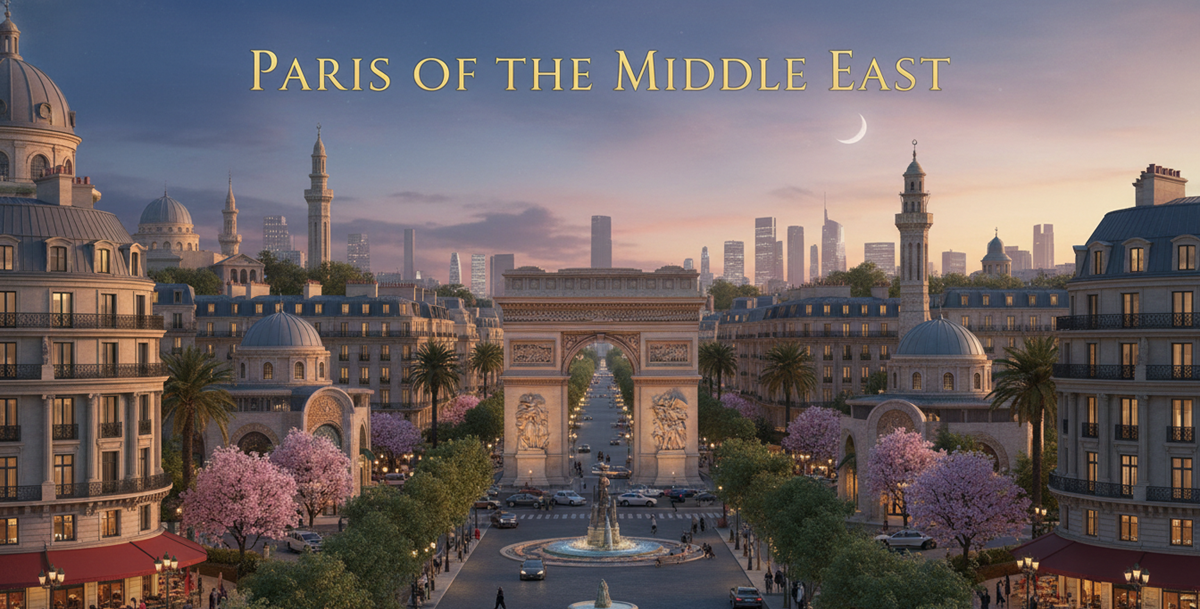
When travelers and historians refer to the "Paris of the Middle East," they're celebrating Beirut, Lebanon's captivating capital that once rivaled European cultural centers in sophistication and charm. This enchanting city, perched along the Mediterranean coastline, earned its prestigious nickname during the mid-20th century when it flourished as a beacon of culture, commerce, and cosmopolitan life.
Why Was Beirut Called the Paris of the Middle East?
Beirut's transformation into a regional powerhouse began in the 1950s and 1960s. The city became synonymous with intellectual freedom, artistic expression, and architectural elegance. French colonial influence left an indelible mark on Lebanese society, evident in the language, cuisine, and boulevards lined with sidewalk cafés reminiscent of Parisian streets.
The Lebanese capital attracted artists, writers, bankers, and tourists from around the world. Its thriving publishing industry made it the intellectual heart of the Arab world, while luxury hotels, casinos, and nightclubs established Beirut as a playground for the international elite.
The Golden Age of Lebanese Culture
During its heyday, Beirut boasted world-class universities including the American University of Beirut, founded in 1866. The city's vibrant cultural scene featured:
Architectural splendor: Art Deco buildings, Ottoman-era structures, and modernist designs created a unique urban landscape
Culinary excellence: Restaurants serving both traditional Lebanese mezze and French haute cuisine
Fashion and style: Boutiques showcasing European designers alongside local talent
Intellectual discourse: Thriving literary circles, theaters, and artistic movements
The city's religious diversity—with Christian and Muslim communities coexisting—fostered an atmosphere of tolerance and cultural exchange rarely seen elsewhere in the region.
Challenges and Transformation
The devastating Lebanese Civil War (1975-1990) shattered Beirut's golden era, leaving deep scars on the city's infrastructure and psyche. Fifteen years of conflict transformed bustling neighborhoods into battlegrounds and forced many cultural institutions to close or relocate.
However, Lebanese resilience proved remarkable. Post-war reconstruction efforts in the 1990s and 2000s rebuilt downtown Beirut, restoring historic landmarks and creating modern infrastructure. The city slowly reclaimed its position as a cultural and economic hub, though challenges persist.
Modern Beirut: A Phoenix Rising
Today's Beirut represents a complex blend of past glory and contemporary struggle. Despite economic difficulties and political instability, the city maintains its magnetic appeal:
Cultural Renaissance
Museums, art galleries, and music venues showcase Lebanon's creative spirit. The Beirut Art Fair and international film festivals attract global attention, while local designers and musicians gain international recognition.
Architectural Heritage
Restoration projects have preserved Ottoman-era souks, French Mandate buildings, and modernist gems. Walking through neighborhoods like Gemmayzeh and Mar Mikhael reveals layers of history etched into every facade.
Culinary Destination
Beirut's restaurant scene remains unparalleled in the Middle East. From street food stalls serving shawarma and manakish to Michelin-worthy establishments, the city satisfies every palate.
Nightlife and Entertainment
Despite challenges, Beirut's legendary nightlife endures. Rooftop bars overlooking the Mediterranean, underground clubs, and beach resorts keep the city's reputation as a party destination alive.
Why Beirut Still Matters
The "Paris of the Middle East" moniker represents more than nostalgia—it embodies Lebanese aspirations for cultural sophistication, intellectual freedom, and cosmopolitan values. While the city faces significant obstacles, its spirit remains unbroken.
For travelers seeking authentic Middle Eastern experiences combined with European flair, Beirut offers unmatched rewards. The warmth of Lebanese hospitality, the richness of historical sites, and the vibrancy of contemporary culture create an unforgettable destination.
Planning Your Visit to Beirut
Modern visitors to the Paris of the Middle East should explore:
National Museum of Beirut: Houses archaeological treasures spanning millennia
Pigeon Rocks: Iconic natural landmark along the Corniche
Beit Beirut: Museum documenting the city's wartime history
Sursock Museum: Contemporary art in a stunning 19th-century villa
Mar Mikhael district: Trendy neighborhood filled with galleries and restaurants
The best times to visit are spring (March-May) and fall (September-November) when Mediterranean weather is ideal for exploration.
The Legacy Continues
Beirut's designation as the Paris of the Middle East wasn't merely about mimicking European culture—it represented a unique fusion of East and West, tradition and modernity, Arab identity and global outlook. This distinctive character persists today, making Beirut irreplaceable in the region's cultural landscape.
As Lebanon navigates contemporary challenges, the memory of Beirut's golden era serves as both inspiration and reminder of what's possible when creativity, tolerance, and ambition converge. The city that once captivated the world continues to fascinate, frustrate, and ultimately enchant those who experience its enduring magic.
Whether you're drawn by history, culture, cuisine, or the simple desire to witness resilience in action, Beirut—the eternal Paris of the Middle East—awaits with open arms and countless stories to tell.