We all need to release our emotions sometimes. Whether it's frustration from a difficult day at work or stress from personal challenges, sharing our feelings with others is a natural part of human connection. However, there's a crucial distinction between healthy venting and emotional dumping—and understanding this difference can transform your relationships and emotional wellbeing.
What Is Healthy Venting?
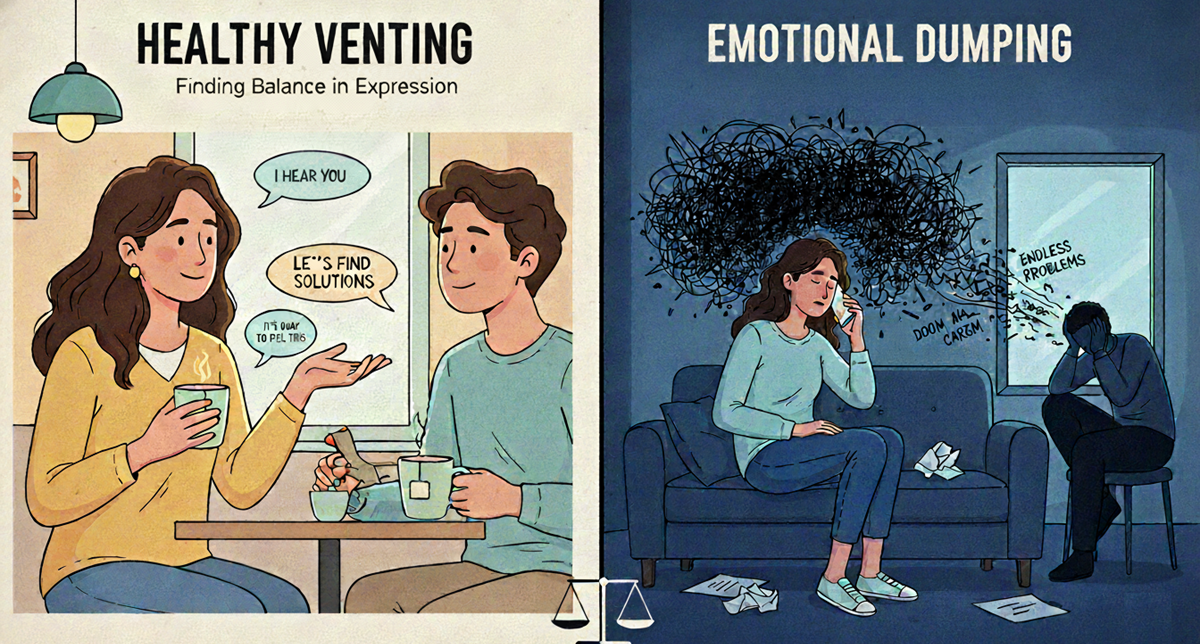
Healthy venting is a constructive way to process emotions by sharing your thoughts and feelings with someone you trust. It's a two-way street that respects both people's emotional boundaries while providing genuine relief and perspective.
Characteristics of Healthy Venting
Healthy venting involves mutual respect and consideration. When you vent in a healthy way, you ask permission before diving into heavy topics. You're mindful of the other person's time and emotional capacity, keeping your sharing focused and time-limited.
The conversation flows naturally with pauses for the other person to respond and engage. You're open to their perspective, feedback, or advice. Most importantly, healthy venting leads somewhere productive—whether that's gaining clarity, finding solutions, or simply feeling heard and validated.
People who vent healthily typically seek understanding rather than just an audience. They're working through their emotions rather than recycling them endlessly. After a healthy venting session, both parties usually feel okay, and the person who vented often experiences genuine relief.
What Is Emotional Dumping?
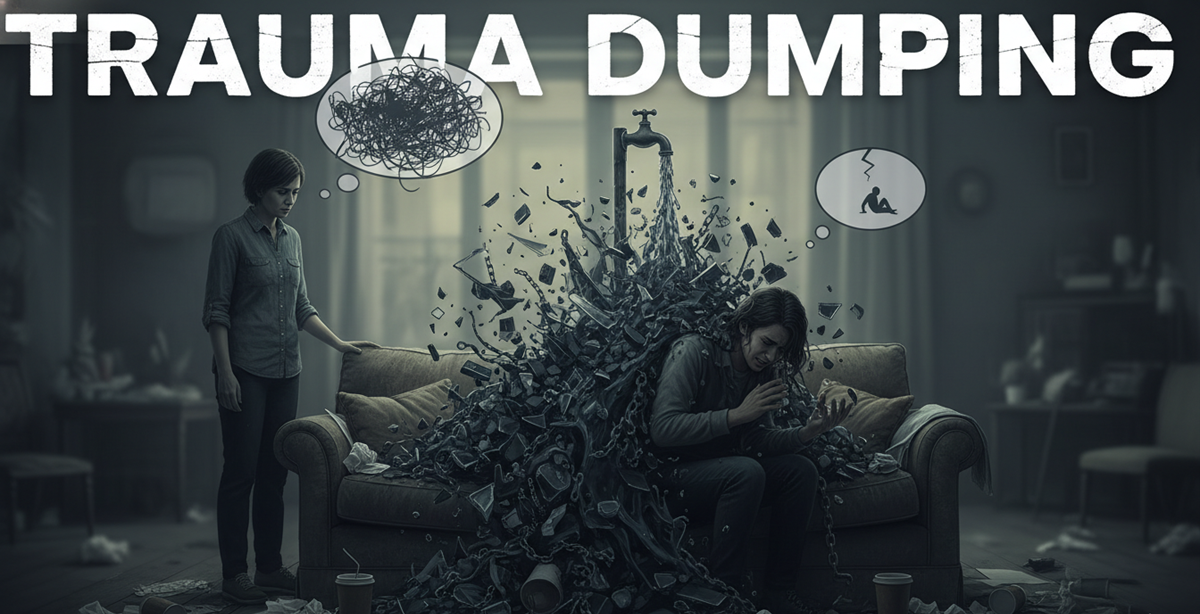
Emotional dumping occurs when someone unloads their unprocessed emotions onto another person without regard for that person's emotional state, boundaries, or consent. It's a one-sided release that can leave the listener feeling overwhelmed, drained, or even traumatized.
Red Flags of Emotional Dumping
Emotional dumping often starts without warning or permission. The person doesn't check if you have the capacity to listen or if it's a good time. The sharing becomes an intense, lengthy monologue with little room for response or interaction.
Someone who's emotionally dumping may repeat the same problems repeatedly without taking action or considering advice. They're often not interested in solutions—just in offloading their distress onto someone else. The conversation feels heavy, circular, and exhausting.
After an emotional dumping session, the listener typically feels emotionally depleted, anxious, or even responsible for fixing the person's problems. The dumper may feel temporarily relieved, but the pattern continues because they're not actually processing their emotions.
The Impact on Relationships
Understanding the distinction between venting and dumping is essential for maintaining healthy relationships. Healthy venting can strengthen bonds by building trust and intimacy. It creates a supportive environment where both people feel valued and heard.
Emotional dumping, however, erodes relationships over time. The listener may start avoiding the dumper or feel resentful about being used as an emotional trash can. Trust deteriorates because the interaction lacks reciprocity and respect.
How to Vent Healthily
If you need to share your feelings, consider these guidelines for healthy venting. Always ask permission first with something simple like "Do you have space to listen to me vent for a few minutes?" Respect their answer, even if it's no.
Set a time limit for yourself. Even if the listener is willing, keeping your venting to ten or fifteen minutes shows consideration. Be specific about what you need—do you want advice, validation, or just someone to listen?
Stay open to dialogue rather than monologuing. Allow the other person to respond, ask questions, or share their perspective. After venting, check in with them to ensure they're okay and thank them for their support.
Most importantly, take action on your problems when possible. Healthy venting should be part of your problem-solving process, not a substitute for it.
How to Respond to Emotional Dumping
If someone is emotionally dumping on you, it's okay to set boundaries. You can compassionately interrupt and say something like "I can see you're going through a lot, but I don't have the emotional capacity for this right now."
Suggest alternatives such as scheduling a time to talk when you're both in a better place, recommending they speak with a therapist, or proposing a time limit for the conversation.
Remember that protecting your emotional energy isn't selfish—it's necessary for your own mental health. You can care about someone without being their emotional dumping ground.
When to Seek Professional Help
Both venters and dumpers may benefit from professional support. If you find yourself needing to vent frequently about the same issues, a therapist can help you process emotions more effectively and develop better coping strategies.
If you're consistently on the receiving end of emotional dumping and struggle to set boundaries, therapy can help you build assertiveness skills and protect your emotional wellbeing.
Building Emotional Intelligence
The ability to distinguish between healthy venting and emotional dumping reflects emotional intelligence. It requires self-awareness about your own needs and empathy for others' boundaries.
Developing this skill takes practice and honest self-reflection. Ask yourself: Am I seeking genuine connection and support, or am I just offloading without consideration? Am I willing to take responsibility for my emotions and actions?
Creating a Culture of Healthy Communication
In your relationships—whether with friends, family, or partners—establish norms around emotional sharing. Discuss boundaries openly and create agreements about how you'll support each other during difficult times.
Encourage reciprocity where both people feel comfortable sharing and supporting. Celebrate when you handle emotional conversations well, and gently redirect when things veer into dumping territory.
The Bottom Line
Healthy venting and emotional dumping might look similar on the surface, but their impact couldn't be more different. Venting with respect, reciprocity, and boundaries strengthens relationships and supports genuine emotional processing. Dumping without consideration damages connections and prevents real healing.
By learning to vent healthily and recognizing when you're being dumped on, you protect both your relationships and your mental health. Remember that emotional sharing is a privilege, not a right—and treating it as such creates the foundation for truly supportive, lasting connections.
The next time you need to share your feelings, pause and ask yourself: Am I venting or dumping? That moment of awareness can make all the difference.