Empaths possess an extraordinary ability to sense and absorb the emotions of others. This heightened sensitivity goes beyond simple sympathy or compassion, creating a deep, almost intuitive connection with the feelings of people around them.
If you've ever walked into a room and immediately felt the tension, or found yourself overwhelmed by crowds, you might be an empath. This comprehensive guide explores what it means to be an empath and how to navigate life with this unique trait.
What Is an Empath?
An empath is someone with an enhanced capacity to feel and experience the emotions of others as if they were their own. Unlike sympathy, where you understand someone's feelings, or empathy, where you relate to their experience, empaths actually absorb emotional energy from their surroundings.
This ability stems from heightened sensitivity in the mirror neuron system and increased emotional processing in the brain. Empaths often process sensory information more deeply than others, making them highly attuned to subtle emotional cues.
Key Signs You Might Be an Empath
Recognizing empath traits can help you understand your experiences better. Here are the most common characteristics:
People often confide in you naturally, sharing their deepest concerns without prompting. You serve as an emotional sanctuary for others, even strangers.
Crowded spaces drain your energy quickly. Shopping malls, concerts, or busy restaurants can leave you feeling exhausted and overwhelmed.
You experience physical symptoms in response to others' emotions. When someone near you feels anxious, you might develop headaches or stomach discomfort.
Nature replenishes your energy reserves. Spending time outdoors helps you reset and recharge after emotional overwhelm.
You cannot tolerate violence in media. Violent movies, disturbing news, or graphic content affects you deeply and lingers in your thoughts.
Your intuition proves remarkably accurate. You often sense what others are feeling before they express it verbally.
You need substantial alone time to decompress. Solitude isn't loneliness for you—it's essential self-care.
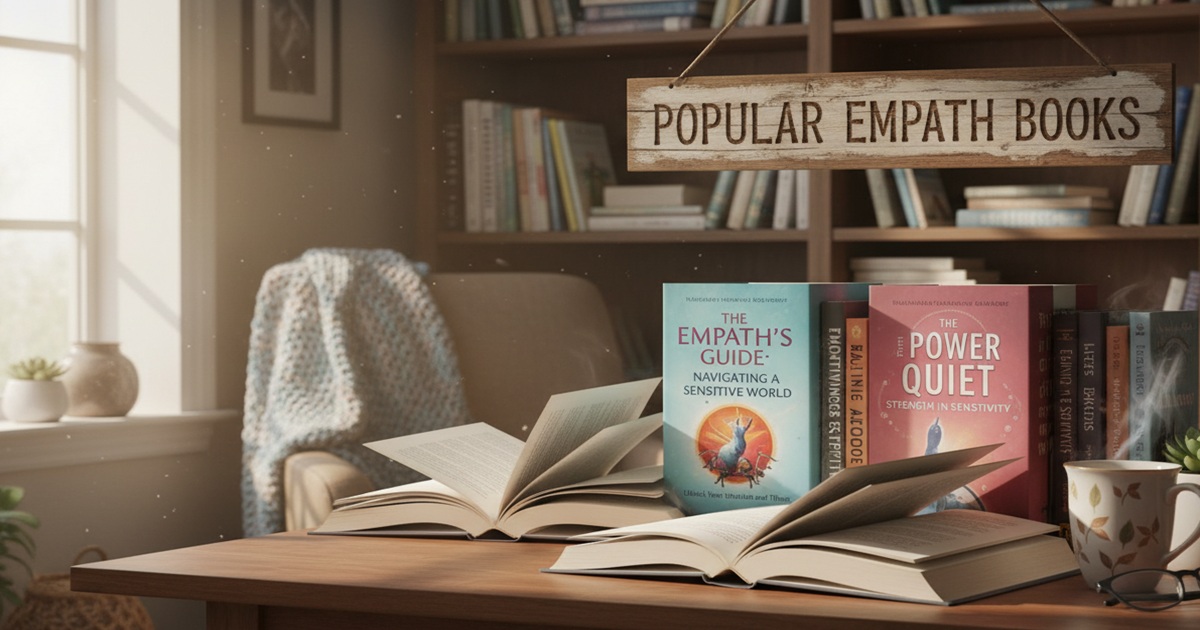
Popular Empath Books: Essential Reading for Highly Sensitive Souls
Different Types of Empaths
Understanding your specific type helps you develop targeted coping strategies:
Emotional Empath
These individuals absorb the feelings of others directly. They physically feel joy, sadness, anxiety, or anger from people around them, making emotional boundaries crucial.
Physical Empath
Physical empaths sense others' physical symptoms in their own bodies. They might develop headaches when someone nearby has one or feel fatigue when around sick individuals.
Intuitive Empath
These empaths receive information through gut feelings and hunches. They often know things without logical explanation and trust their instincts implicitly.
Plant Empath
Some empaths connect deeply with plant life, sensing when plants need water or care and thriving when surrounded by greenery.
Animal Empath
These individuals understand animals on a profound level, often communicating with pets and wildlife in ways that seem almost telepathic.
Geomantic Empath
Geomantic empaths feel the energy of places. They sense whether a location has positive or negative energy and may be drawn to specific geographical areas.
The Science Behind Empathic Abilities
Recent neuroscience research reveals that empaths may have more active mirror neurons, which help us understand and replicate the feelings of others. Brain imaging studies show that highly empathic individuals display increased activity in emotional processing centers.
Genetics also plays a role. Research indicates that sensitivity traits can be inherited, with approximately 20 percent of the population possessing high sensory processing sensitivity.
Challenges Empaths Face Daily
Living as an empath presents unique difficulties that can impact mental and physical health:
Emotional fatigue develops from constantly processing others' feelings. This exhaustion differs from physical tiredness and requires specialized recovery techniques.
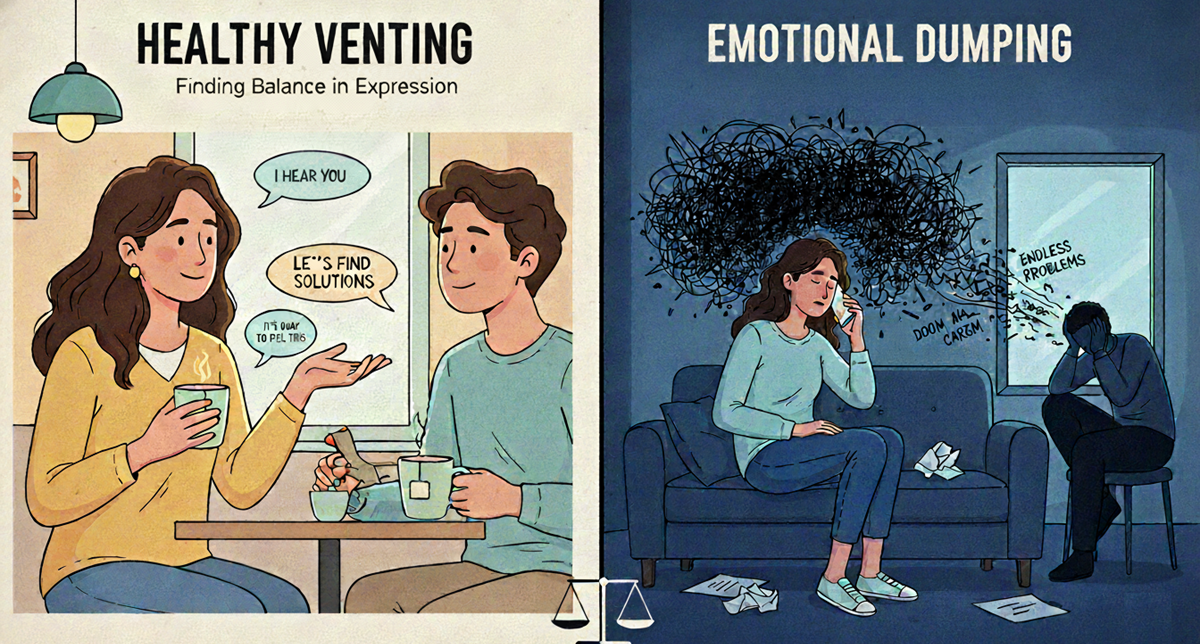
Difficulty establishing boundaries becomes a persistent struggle. Empaths naturally want to help everyone, often sacrificing their own needs.
Overstimulation in everyday environments makes routine activities challenging. Grocery shopping or commuting can become overwhelming experiences.
Absorbing negative energy from toxic people or environments can lead to anxiety, depression, or physical illness if not properly managed.
Strategies for Empaths to Protect Their Energy
Developing strong self-care practices helps empaths thrive rather than merely survive:
Create Physical Boundaries
Maintain personal space in crowds. Position yourself near exits in busy venues and limit time in overwhelming environments.
Practice Energy Shielding
Visualize a protective barrier around yourself. Many empaths find success imagining a bubble of white light that allows positive energy in while deflecting negativity.
Establish Emotional Boundaries
Learn to distinguish between your emotions and those you've absorbed from others. Ask yourself: "Is this feeling actually mine?"
Schedule Regular Solitude
Block out time for yourself daily. Even 15 minutes of quiet alone time helps reset your emotional state.
Ground Yourself in Nature
Walk barefoot on grass, sit under trees, or simply observe natural settings. Nature helps discharge absorbed emotional energy.
Limit Media Consumption
Reduce exposure to negative news and violent entertainment. Curate your media diet carefully to protect your sensitive system.
Use Water for Cleansing
Take salt baths or showers to wash away emotional residue. Many empaths report that water physically removes absorbed energy.
Turning Empathic Abilities Into Strengths
Being an empath offers remarkable advantages when properly channeled:
Empaths excel in healing professions including counseling, nursing, social work, and alternative medicine. Their ability to understand patients deeply enhances treatment outcomes.
Creative fields benefit from empathic sensitivity. Many successful writers, artists, and musicians are empaths who channel emotional experiences into their work.
Leadership roles transform when empaths lead with emotional intelligence. They create supportive environments where team members feel valued and understood.
Relationships deepen when empaths establish healthy boundaries. Once balanced, they become extraordinary partners, friends, and family members.
Building a Support System
Connecting with other empaths provides validation and practical strategies. Online communities, local meetup groups, and empath-focused workshops offer valuable resources.
Working with a therapist who understands high sensitivity helps develop personalized coping mechanisms. Cognitive behavioral therapy and mindfulness practices prove particularly effective.
Living Authentically as an Empath
Accepting your empathic nature rather than fighting it creates peace. Your sensitivity is not a weakness but a profound gift that allows you to experience life with exceptional depth.
Stop apologizing for needing alone time or declining social invitations when overwhelmed. Honoring your needs demonstrates self-respect and teaches others how to respect your boundaries.
Celebrate your unique perspective. Empaths bring compassion, understanding, and emotional intelligence to a world that desperately needs these qualities.
Conclusion
Being an empath means experiencing life with extraordinary emotional richness. While this sensitivity presents challenges, understanding your abilities and implementing protective strategies allows you to thrive.
Your capacity to feel deeply, connect authentically, and understand others on a profound level makes you uniquely equipped to contribute meaningful healing and compassion to the world. Embrace your empathic nature while protecting your energy, and you'll discover that being an empath is truly a remarkable gift.